
In the world of digital marketing, businesses often come across two important strategies: SEO and SEM. While both methods help websites gain visibility on search engines like Google, they work in different ways and serve different marketing goals.
Understanding SEO vs SEM is essential for businesses, marketers, and beginners who want to grow online effectively in 2026. Choosing the right strategy can improve website traffic, increase leads, and help businesses achieve better online visibility.
This guide explains the major differences between SEO and SEM, their benefits, and how businesses can use both strategies together for better digital marketing success.
What Is SEO?
SEO stands for Search Engine Optimization. SEO focuses on improving a website’s organic visibility on search engines without paying directly for clicks.
The main goal of SEO is to help websites rank higher in organic search results by optimizing:
- Website content
- Keywords
- Technical SEO
- Backlinks
- User experience
- Website speed
Businesses use SEO to attract long-term traffic from search engines.
To understand how Google rankings work, you can explore Google Search Central.
What Is SEM?
SEM stands for Search Engine Marketing. SEM refers to paid advertising strategies used to increase visibility on search engines.
The most common SEM platform is Google Ads, where businesses pay to display advertisements at the top of search results.
SEM includes:
- Search ads
- Display ads
- Shopping ads
- Video ads
- Performance marketing campaigns
Unlike SEO, SEM provides faster visibility because businesses can immediately appear in search results through paid campaigns.
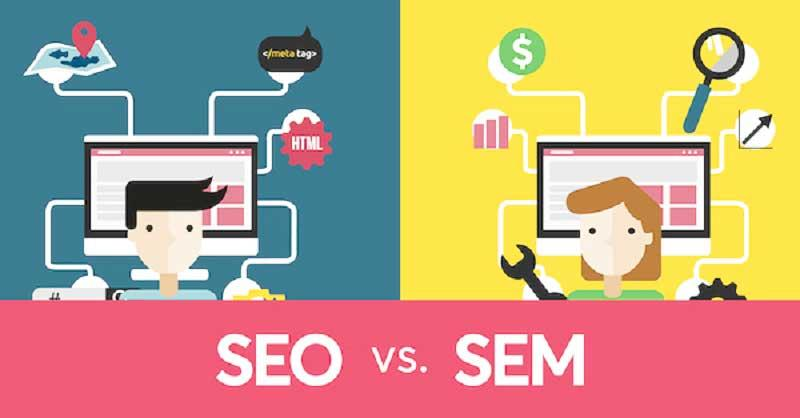
SEO vs SEM: Key Differences
Although SEO and SEM both improve search visibility, they differ in several important ways.
| Feature | SEO | SEM |
|---|---|---|
| Traffic Type | Organic | Paid |
| Cost Per Click | Free | Paid |
| Time to See Results | Long-term | Immediate |
| Sustainability | Long-lasting | Stops when ads stop |
| Click Trust | Higher user trust | Ad-based visibility |
| Main Goal | Organic rankings | Instant visibility |
Understanding these differences helps businesses decide which strategy aligns with their goals and budget.
Why SEO Is Important for Businesses
SEO is one of the most cost-effective digital marketing strategies because it can generate long-term traffic without continuous advertising costs.
Benefits of SEO
- Improves organic traffic
- Builds brand authority
- Creates long-term visibility
- Improves website trust
- Generates sustainable traffic
- Enhances user experience
Businesses that invest consistently in SEO often experience steady growth over time.
To learn more about SEO best practices, businesses can explore Moz Beginner’s Guide to SEO.
Why SEM Is Important for Businesses
SEM is ideal for businesses that want fast traffic and immediate lead generation.
Benefits of SEM
- Instant visibility on Google
- Faster lead generation
- Highly targeted advertising
- Flexible budgeting
- Easy campaign tracking
- Useful for product launches
SEM is commonly used for:
- E-commerce stores
- Service businesses
- Seasonal promotions
- Lead generation campaigns
Businesses that want to improve ad campaign performance can also learn from Google Ads Help Center.
SEO vs SEM: Which Is Better?
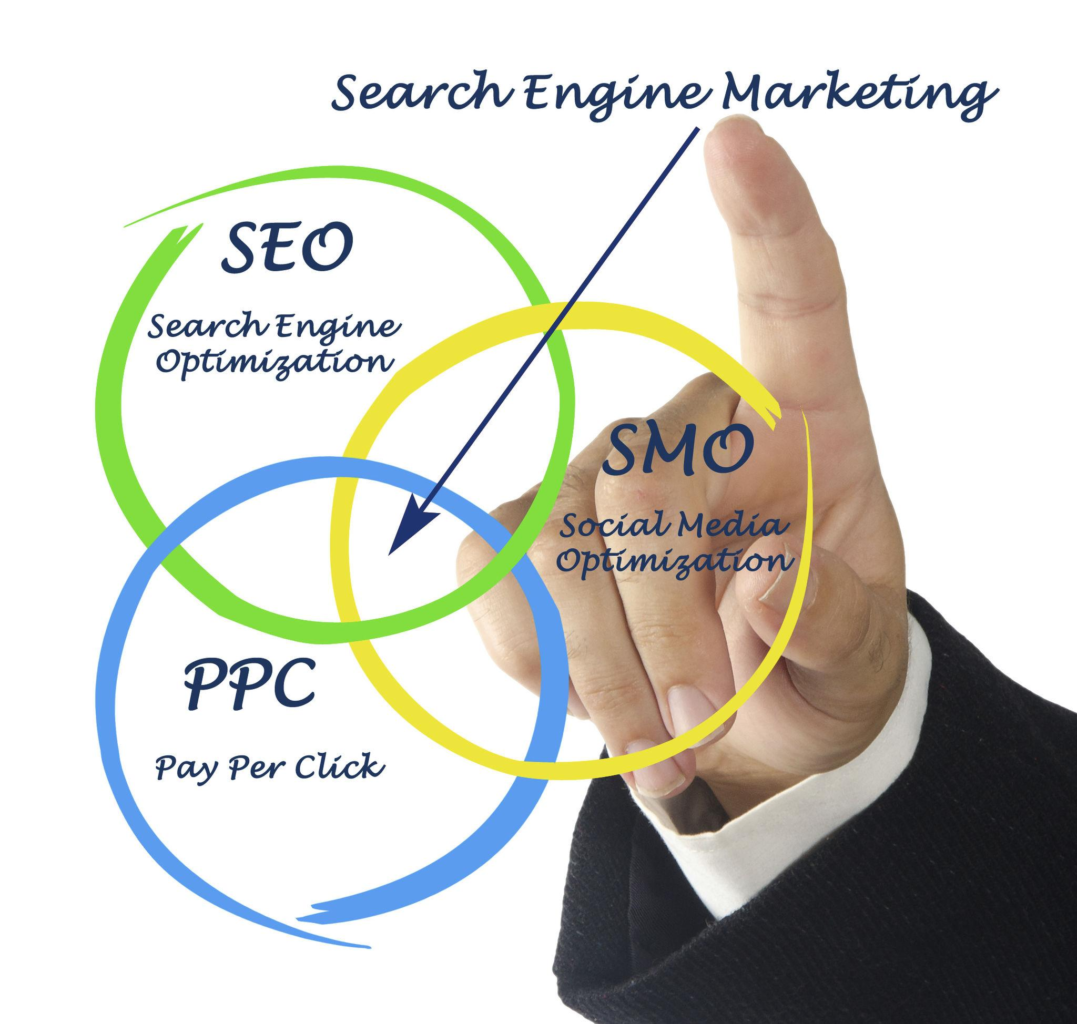
The answer depends on business goals, competition, and marketing budgets.
Choose SEO If You Want:
- Long-term traffic growth
- Better organic visibility
- Sustainable marketing
- Higher search credibility
- Lower long-term costs
Choose SEM If You Want:
- Immediate traffic
- Fast lead generation
- Product promotion
- Quick testing of offers
- Short-term marketing results
In reality, many successful businesses combine both SEO and SEM for maximum visibility.
How SEO and SEM Work Together
SEO and SEM are not competitors. They often work best together as part of a complete digital marketing strategy.
For example:
- SEO builds long-term authority
- SEM drives immediate traffic
- SEO improves organic reach
- SEM helps during competitive campaigns
Using both strategies together can:
- Increase search visibility
- Improve brand awareness
- Generate more leads
- Improve marketing performance
This integrated approach is becoming increasingly important in digital marketing in 2026.
Common SEO Strategies
Popular SEO Techniques
- Keyword optimization
- Blog content creation
- Technical SEO
- Internal linking
- Backlink building
- Mobile optimization
- Local SEO
SEO requires consistency and patience, but results can last for years when done properly.
Common SEM Strategies
Popular SEM Techniques
- Google Search Ads
- Display Advertising
- Remarketing Campaigns
- YouTube Ads
- Shopping Campaigns
- PPC Advertising
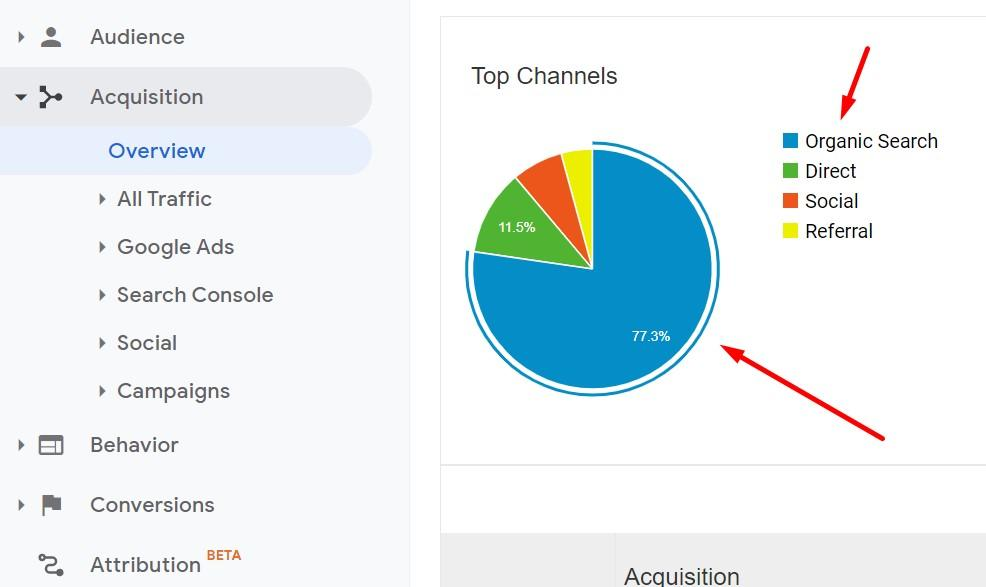
Businesses can monitor campaign performance using tools like Google Analytics.
SEO vs SEM for Small Businesses
Small businesses often struggle with marketing budgets, making strategy selection important.
SEO Advantages for Small Businesses
- Lower long-term cost
- Sustainable traffic
- Strong local SEO opportunities
SEM Advantages for Small Businesses
- Faster customer acquisition
- Better short-term campaigns
- Immediate search visibility
Many small businesses start with SEM for quick leads while building SEO gradually for long-term growth.
Final Thoughts
Understanding SEO vs SEM is essential for businesses looking to succeed online in 2026. Both strategies help improve search visibility, but they serve different purposes within digital marketing.
SEO focuses on long-term organic growth, while SEM provides immediate paid visibility. Businesses that understand how to combine both strategies effectively can improve traffic, generate leads, and strengthen their online presence.
Whether you are a beginner, marketer, or business owner, learning the difference between SEO and SEM can help you make smarter digital marketing decisions and build a stronger online growth strategy.
For more such related Blogs checkout www.yashasda.com